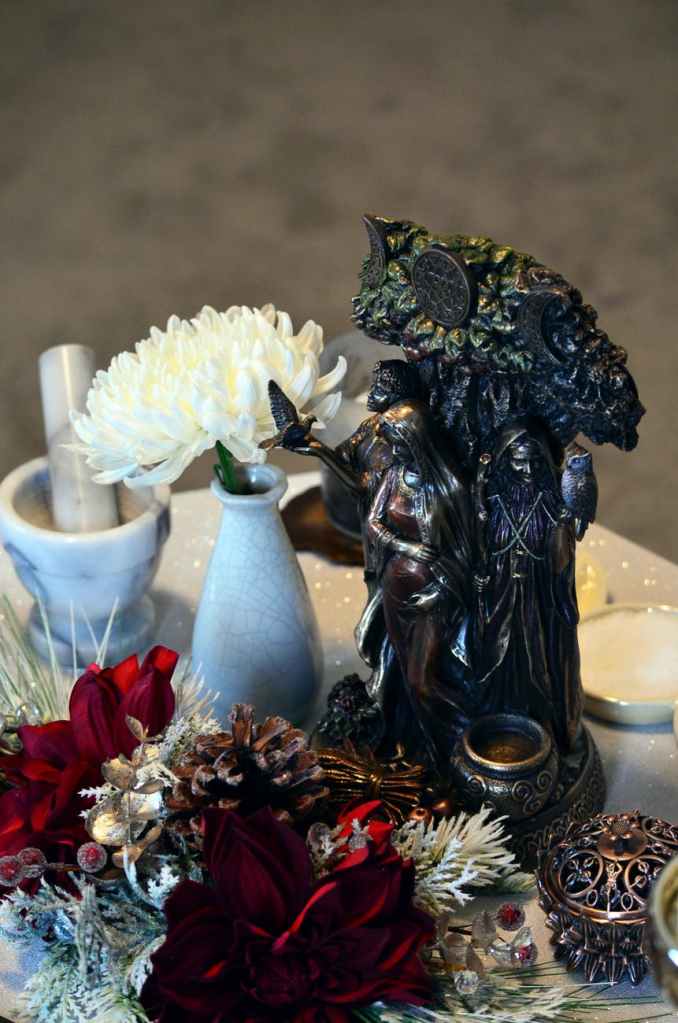
The eternal heaven within human beings has long been symbolized by mythological gods and goddesses. This is how civilizations connect to and move through life in a way that allows them to make sense of their surroundings and situations while also allowing them to transcend what is often a harsh physical reality.
For a variety of reasons, cultures have adopted and adored the image of a mother goddess throughout history. She is most commonly associated with abundance, fertility, friendliness, family, marriage, excellent harvests, and good fortune. Femininity and womanhood have been associated with these magnificent beings, as have hearth, home, family, fertility, compassion, strength, and loving-kindness throughout so many centuries. Others, are goddesses who embody the darker aspects of life, such as the underworld, death, magical healing, and guiding men’s fortunes.
Goddess Worship History
Goddess or woman worship dates back to the Paleolithic period (2.5 million years ago to 10,000 BCE), which is the longest period of human history on Earth. Archaeological digs have uncovered objects from this time period, the most famous of which is Venus, which is thought to have been carved between 24,000 and 22,000 BCE. However, there are several sites and artifacts that prove this type of worship is much older.
The Neolithic period came next, during which more carved goddess figurines were discovered, some of which appear to be 10,000 years old. This was a time when farming was becoming more common, and figurines from this era most likely represented fertility and offerings to ensure a plentiful crop.
Beginning with their Nagada culture, the Egyptians were at the forefront of goddess culture. A goddess figure stands between two lionesses in a number of murals. Lionesses were thought to represent healthy parenthood. The feminine and its nurturing abilities were also identified with the earth, moon, sky, and primordial waters. Egyptians worshiped a variety of gods and goddesses, but Isis and Hathor were the most important female figures in Egyptian mythology. These customs were subsequently passed down down the generations to other cultures.
Further Reading
 StarWolf Geek